
The Challenge
A large global eyewear manufacturer was preparing to introduce new automated handling and storage systems across their production floor. Many of their lens and frame components move through several build steps before assembly, and each step requires the parts to remain clean and free from surface marks. Any scratch, even a minor one, can force a part to be removed from production. Their existing trays were not built for the level of consistency required by the new automation, and parts continued to make contact with surrounding surfaces during internal movement.
The company considered adding an in-house packaging engineer to address the issue. However, the scope of work extended beyond a single design task. They needed a partner who could assist with engineering, tooling, revisions, and production, as well as respond to ongoing needs as more product lines transitioned into automated handling. Someone familiar with Tru-Form Plastics recommended the team as a local thermoforming supplier with the capability to take on the full project. That recommendation started what later became a long-term working relationship.
Why the Eyewear Company Chose Tru-Form Plastics
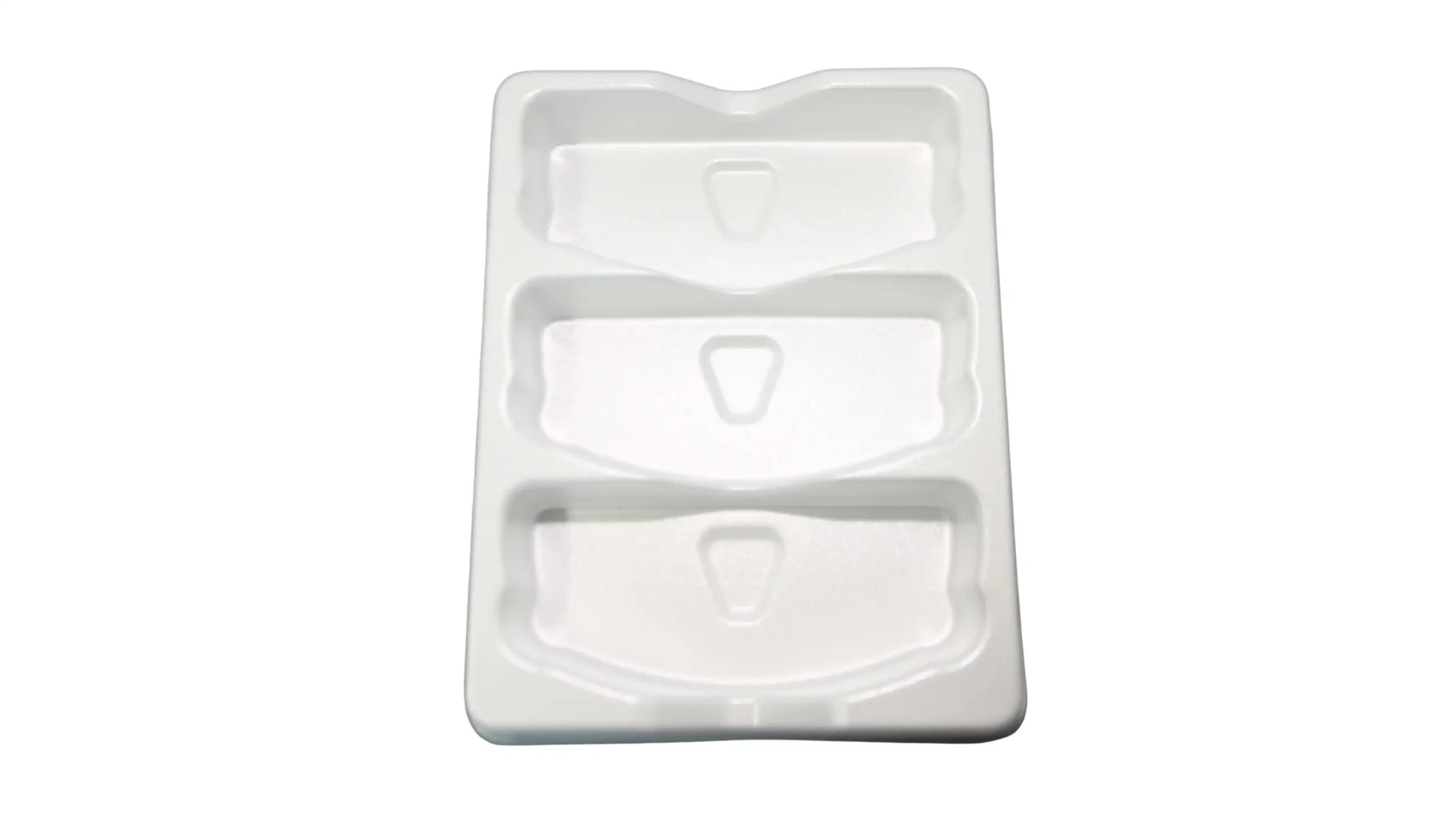
Several factors influenced the decision to partner with Tru-Form Plastics. The eyewear company needed a supplier close enough to visit the plant, observe the automation in person, and understand how parts traveled through the workflow. They also needed a team that could engineer trays with a consistent footprint, maintain tight forming repeatability, and support quick adjustments as production requirements changed.
Tru-Form offered engineering support, tooling development, thermoforming, and quality control under one roof. That structure reduced handoffs, simplified communication, and made it easier to review early samples. Because the trays would move through both people and automated equipment, the company needed a partner willing to work through small ergonomic details and make revisions until the trays fit each system cleanly. Tru-Form’s ability to act as a one-stop shop for these steps played an important role in the selection.
Designing Trays for Automated Internal Movement
The first goal was to eliminate the scratching that occurred as parts moved between stations. Tru-Form engineered tray features that positioned components securely while preventing movement during transport. Depth, spacing, and contact points were based on real parts rather than assumptions, which helped avoid future adjustments once the trays entered production.
The eyewear company also needed a tray that would integrate with their new automated tote system. That system required a consistent footprint, repeatable geometry, and predictable handling points. Tru-Form used existing tray concepts where possible and modified them to fit the standard footprint used across the facility. This approach allowed the company to scale the design to additional lines without starting over.
Ergonomics mattered as well. Operators handle trays throughout the day, and small adjustments in grip points, weight distribution, and edges can reduce strain and speed up work. At the same time, the tray design needed to support robotic handling. Tru-Form balanced both needs by developing features that worked for human operators and automated equipment without adding complexity.
Collaboration Throughout the Development Process
The work moved through steady collaboration between engineers, quality teams, and production staff. Regular Microsoft Teams meetings helped review drawings, discuss part features, and talk through questions raised by both sides. On-site meetings were especially useful. Seeing the production lines firsthand helped Tru-Form understand how trays interacted with conveyors, storage systems, and the tote equipment.
These conversations set the foundation for long-term cooperation. The eyewear company continued to bring new parts and new product variations into the same footprint and tray format. Tru-Form adjusted tooling when needed and produced new trays that maintained consistency with those already in service. This approach allowed the eyewear company to expand automation without interrupting production or retraining operators.
Quality and Production Controls
Tru-Form relied on standard in-process inspections to maintain forming quality during production. Dimensional checks, material audits, and part-fit checks were used to verify that trays matched the approved design. The Quality Department reviewed samples for conformance to specifications once parts came off the line. These steps helped support predictable part fit and stable performance across production runs.
Because the trays were used only for internal movement, no international shipping or environmental packaging regulations applied. The focus remained strictly on internal handling, protection, and compatibility with automated systems.
Results and Long-Term Impact
The eyewear manufacturer gained a tray system that solved the immediate problem of scratched components and supported the introduction of new automation. By preventing part damage during internal movement, the new trays directly reduced scrap-related losses and helped the company avoid the cost of hiring a full-time packaging engineer.
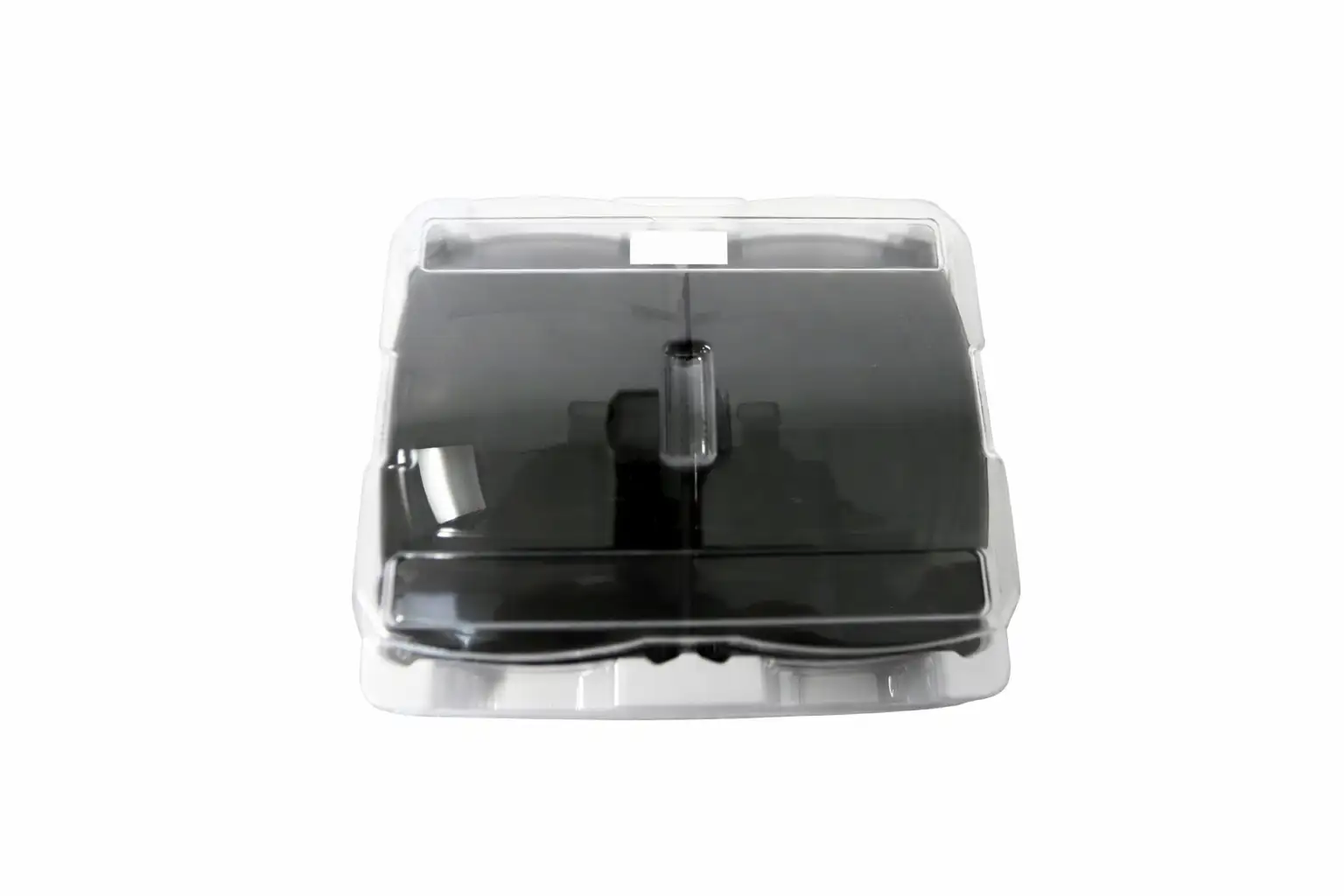
Other benefits included:
- More reliable protection for lens and frame components
- Predictable handling through multi-step manufacturing
- A standardized footprint that can be reused for future products
- Reduced manual adjustments during production
- Direct support from a partner able to design, tool, and produce trays under one roof
As the eyewear company continued expanding their automated capabilities, the tray design extended into additional product lines. The partnership remained steady because both teams worked closely during early development and maintained practical communication as needs evolved.
Tru-Form Plastics continues to support the eyewear manufacturer as a dependable thermoforming partner for new tray concepts, tooling adjustments, and production requirements tied to their automation efforts.